
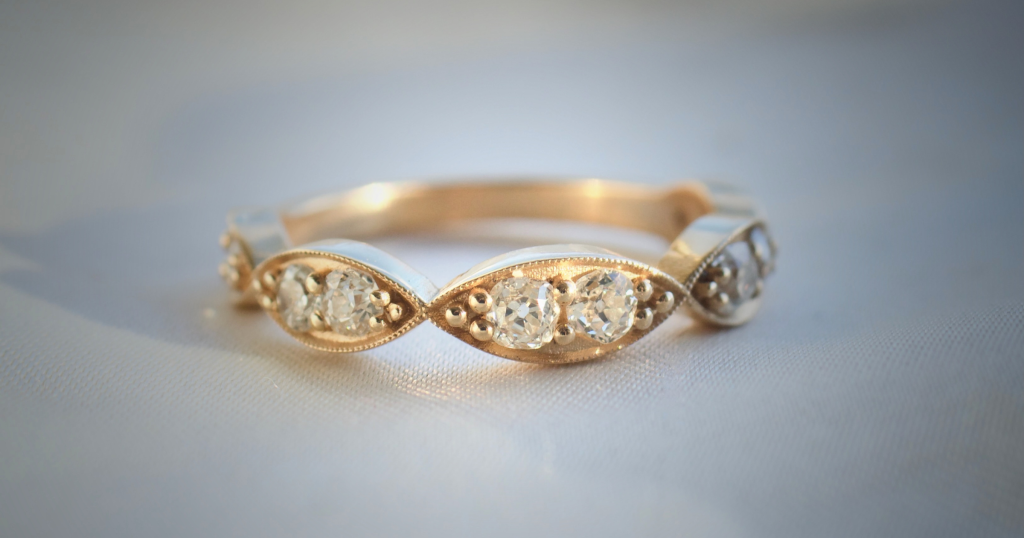
Choosing the perfect wedding ring to complement your engagement ring is a pivotal moment in your journey toward forever. With myriad styles, metals, and designs, finding a wedding band that harmonizes beautifully with your engagement ring can feel overwhelming. Whether your engagement ring boasts a dazzling solitaire, an intricate halo, or an elaborate vintage design, selecting a piece that enhances its beauty is essential. Your wedding ring isn’t just a symbol of your commitment; it’s a reflection of your unique love story and personal style. In this complete guide, we’ll explore tips and tricks to ensure you find a wedding band that not only fits comfortably but also creates a stunning visual narrative alongside your engagement ring. From matching metals to considering your lifestyle, let’s dive into the elements that will help you make this important choice with confidence and joy.
Understanding the Importance of a Wedding Ring
The wedding ring holds a significant place not just on your finger but in your heart. It symbolizes the eternal bond and the unwavering commitment between two individuals. This small yet profound piece of jewelry is a daily reminder of the vows exchanged and the love shared. While its importance is universally acknowledged, the journey to choosing the perfect wedding ring can be uniquely personal and deeply meaningful.
Selecting a wedding ring involves more than just picking a piece of jewelry; it’s about finding a symbol that resonates with your love story. It’s an expression of your personality, your relationship, and your future together. This is why it’s essential to invest time and thought into choosing a ring that feels right for both you and your partner. Each time you look at your wedding band, it should evoke memories of your special day and the promises you made to each other.
Moreover, your wedding ring will be worn every day, making comfort and durability key factors in your selection. The right ring should not only match your engagement ring aesthetically but should also be practical for your daily activities. By understanding the importance of this piece, you can approach the selection process with the reverence and excitement it deserves.
Types of Wedding Rings: Exploring Your Options
The world of wedding rings is vast and varied, offering a plethora of styles to suit every taste. From classic bands to more contemporary designs, the choices can be both exciting and overwhelming. Traditional wedding rings typically feature simple, unadorned bands made from precious metals like gold or platinum. These timeless pieces are perfect for those who appreciate elegance and simplicity.
For those who desire a bit more sparkle, diamond-studded wedding bands are a popular choice. These bands can feature diamonds in various settings, such as pavé, channel, or bezel, adding a touch of glamour to your wedding jewelry. Gemstone wedding rings are another beautiful option, offering vibrant colors and unique designs that can complement the stones in your engagement ring.
Modern brides and grooms might lean towards personalized or custom-made rings, which allow for a unique expression of their love. This could include incorporating meaningful symbols, engravings, or even mixed metals to create a one-of-a-kind piece. Exploring different types of wedding rings helps you discover what resonates with your personal style and complements your engagement ring perfectly.
Matching Styles: How to Complement Your Engagement Ring
When choosing a wedding ring, it’s crucial to consider how it will pair with your engagement ring. The goal is to find a band that enhances and complements the beauty of your existing ring. Start by examining the design of your engagement ring. If it features a solitaire diamond, a simple and elegant wedding band might be the perfect match. For engagement rings with intricate designs or multiple stones, a more understated band can allow the engagement ring to remain the focal point.
Matching the style doesn’t necessarily mean the rings have to be identical. Contrast can also create a stunning effect. For instance, pairing a modern engagement ring with a vintage-inspired wedding band can add a unique and eclectic charm. However, it’s essential to maintain some level of cohesion, such as matching the metal type or ensuring the widths of the bands complement each other.
Another aspect to consider is the setting style of your engagement ring. If your engagement ring has a high setting, ensure that the wedding band sits comfortably against it without causing any discomfort. Conversely, if the engagement ring has a low setting, a curved or contoured wedding band might fit better. By carefully considering these elements, you can create a harmonious and beautiful pairing that tells your unique love story.
Choosing the Right Metal for Your Wedding Ring
The metal of your wedding ring not only affects its appearance but also its durability and maintenance. Gold remains a popular choice for wedding bands and is available in various shades, including yellow, white, and rose. Each hue has its unique charm and can complement different skin tones and engagement ring styles. White gold, in particular, offers a modern and sleek look, while yellow gold exudes classic elegance. Rose gold, with its romantic pink hue, is perfect for those seeking a distinctive and contemporary touch.
Platinum is another excellent option, known for its exceptional durability and lustrous finish. Although it comes at a higher price point, platinum’s resistance to wear and tarnish makes it a worthwhile investment for a ring that will last a lifetime. Palladium, a member of the platinum family, provides a similar look and durability at a more affordable price.
For those who prefer non-traditional metals, options like titanium, tungsten, and cobalt are worth considering. These metals are incredibly strong and lightweight, making them ideal for individuals with active lifestyles. Additionally, they offer a modern and industrial aesthetic that stands out. When choosing the metal for your wedding ring, consider factors like your engagement ring’s metal, your skin tone, and your lifestyle to make a choice that’s both beautiful and practical.
The Role of Gemstones in Wedding Ring Selection
Gemstones can add a vibrant and personalized touch to your wedding ring. Diamonds are the most popular choice for their brilliance and durability, but other gemstones can make your ring uniquely yours. Sapphires, emeralds, rubies, and even semi-precious stones like amethysts and aquamarines offer a splash of color and individuality. These stones can either be the focal point of the wedding band or act as accents to the main design.
When incorporating gemstones into your wedding ring, consider how they will complement the stones in your engagement ring. Matching or coordinating colors can create a cohesive and harmonious look. If your engagement ring features a diamond, adding colored gemstones to your wedding band can provide a beautiful contrast and highlight the brilliance of the diamond. Conversely, if your engagement ring has colored stones, a diamond-studded wedding band can enhance its overall sparkle.
Additionally, the choice of gemstone can be symbolic. Birthstones, for example, add a personal touch and can represent important dates or milestones in your relationship. Ensure that the gemstones you choose are durable enough for daily wear, as some stones are more susceptible to scratches and damage. By thoughtfully selecting gemstones, you can create a wedding ring that is not only beautiful but also meaningful.
Considering Your Lifestyle When Choosing a Wedding Ring
Your lifestyle plays a significant role in determining the best wedding ring for you. If you lead an active lifestyle or work with your hands frequently, you’ll need a ring that can withstand daily wear and tear. In such cases, opting for more durable metals like platinum, palladium, titanium, or tungsten can be beneficial. These metals are less likely to scratch or bend, ensuring your ring remains in pristine condition.
The design of your wedding ring should also align with your daily activities. Simple and streamlined bands are less likely to catch on clothing or other objects, making them ideal for those with busy hands-on jobs. If you prefer a ring with intricate designs or multiple stones, consider how it will fit into your daily routine and whether it requires additional care.
Comfort is another essential factor. Rings with comfort-fit bands are designed to sit more naturally on the finger, providing a better fit for everyday wear. Additionally, consider any potential allergies you might have to certain metals. Hypoallergenic options like platinum and palladium are excellent choices for sensitive skin. By considering your lifestyle, you can choose a wedding ring that is not only beautiful but also practical and comfortable for daily wear.
Custom vs. Ready-Made Wedding Rings: Pros and Cons
Choosing between a custom wedding ring and a ready-made one depends on your preferences, budget, and timeline. Ready-made rings offer the advantage of convenience. They are readily available, allowing you to try on different styles and find the perfect fit without waiting for a custom piece to be made. This option is ideal if you’re working within a tight timeframe or prefer a more straightforward selection process.
Custom wedding rings, on the other hand, offer a unique opportunity to create a piece that is truly one-of-a-kind. Working with a jeweler, you can design a ring that reflects your personal style and incorporates meaningful elements. This process allows for greater creativity and personalization, whether you want to include specific gemstones, engravings, or intricate designs. However, custom rings typically require a longer lead time and can be more expensive due to the bespoke nature of the work.
Both options have their merits, and the choice ultimately depends on what’s most important to you. If you value uniqueness and have the budget and time for a custom creation, working with a jeweler to design your own ring can be a rewarding experience. Conversely, if you prefer a quicker and more cost-effective solution, ready-made rings offer a wide range of beautiful options to choose from. Weighing these pros and cons will help you make an informed decision that aligns with your needs and preferences.
Setting a Budget for Your Wedding Ring
Setting a budget for your wedding ring is an important step that ensures you find a ring you love without causing financial strain. Start by determining what you’re comfortable spending and consider how this fits into your overall wedding budget. Remember that your wedding ring is an investment that you’ll wear every day, so it’s worth allocating a reasonable amount to ensure you get a quality piece.
When setting your budget, consider factors like the metal type, the presence of gemstones, and whether the ring is custom or ready-made. Platinum and custom designs typically come at a higher cost, while simpler bands in gold or alternative metals can be more affordable. It’s also wise to factor in any additional costs, such as engraving, resizing, or future maintenance.
Being clear about your budget from the start can help streamline the selection process and prevent overspending. Work with reputable jewelers who respect your budget and can offer options within your price range. By setting a realistic budget and sticking to it, you can find a beautiful wedding ring that meets your needs without compromising your financial well-being.
Tips for Shopping for Wedding Rings
Shopping for wedding rings can be an exciting and memorable experience. Start by doing some research to understand the different styles, metals, and designs available. This will give you a clearer idea of what you’re looking for and make the shopping process more efficient. Visiting multiple jewelers allows you to compare options and find the best fit for your preferences and budget.
When trying on wedding rings, consider how they feel on your finger. Comfort is crucial since you’ll be wearing the ring daily. Pay attention to the fit, the width of the band, and how it pairs with your engagement ring. Don’t be afraid to ask questions and seek advice from the jeweler. They can provide valuable insights and help you make an informed decision.
Timing is also important. Start shopping for your wedding ring well in advance of your wedding date to allow ample time for selection, resizing, or any custom work. This ensures you’re not rushed and can make a thoughtful choice. Taking these steps will help you find a wedding ring that you’ll cherish for a lifetime.
Final Thoughts: Making the Perfect Choice
Choosing the perfect wedding ring to complement your engagement ring is a journey that combines practicality with personal expression. By understanding the importance of the wedding ring, exploring different types and styles, and considering factors like metal choice, gemstones, lifestyle, and budget, you can make an informed and confident decision.
Whether you opt for a ready-made or custom-designed ring, the key is to find a piece that feels right for you and your partner. This ring will be a daily reminder of your love and commitment, so it’s worth taking the time to choose something that resonates with your unique story. Ultimately, the perfect wedding ring is one that brings you joy and symbolizes the beautiful journey you’re embarking on together.
As you navigate this important decision, remember to enjoy the process. This is a special moment in your love story, and each step brings you closer to your happily ever after. With careful consideration and a touch of excitement, you’ll find the perfect wedding ring that complements your engagement ring and celebrates your enduring love.